Best drivers for high handicappers under £300: forgiveness, bought smart
The most forgiving drivers made, from around £100 to £300 by buying used or like-new. What actually matters for a higher handicapper, why you shouldn't pay £500-plus, and three we'd buy across the budget, picked from CaddyIndex high-handicap scores.
The driver is the easiest club to overspend on. As a higher handicapper, the £550 tour flagship the longest hitters covet is rarely the one that helps you, and you certainly don't need to pay new-flagship money to get the thing that does. What helps you is forgiveness: a head that holds its line and keeps the ball in play on the off-centre strikes that, on most swings, are most of them.
Here's the good news. Forgiveness has largely plateaued, drivers barely wear, and last year's most-forgiving heads sell used or like-new for a fraction of new. So you can own one of the most forgiving drivers made for well under £300, and a genuinely good one for around £100. This guide is what actually matters, why you shouldn't pay more, and three we'd buy across the budget.
What actually matters for a higher handicapper
Ignore the ball-speed headlines. Three things move your scores.
- Forgiveness (high MOI). The single most important property. A high-MOI head twists less on off-centre strikes, so the misses still fly straight-ish and hold most of their distance. This is what the "Max" and "10K" models are built for, and it's why they suit you far more than the compact low-spin heads.
- A draw bias. Most higher handicappers fight a slice. A draw-biased head (Cleveland's XL Draw, Ping's draw settings, the heel weighting on the "Max" models) helps the face square up through impact and straightens the flight, which is worth more real yards than any speed claim.
- Easy launch and forgiving spin. A head that launches high with stable spin gets the ball up and carrying without a perfect strike. Slower and mid swing speeds especially want this. It's the opposite of the low-spin "LS" and tour heads, which need speed and a centred strike to work at all.
What does not matter for you: the lowest spin, the smallest head, "tour" anything. Those win distance contests for fast, centred strikers and punish everyone else.
How much should you spend? (Anywhere from £100 to £300)
You do not need £500-plus. Forgiveness has plateaued and drivers barely wear, so used and like-new is the play, and the range that makes sense for a higher handicapper runs from about £100 to £300.
- Around £100 to £150. A two or three year old high-MOI head, used. Genuinely forgiving, often with slice help, for the price of a decent wedge. If money's tight, this is all you need.
- Around £180 to £230. The sweet spot: last season's flagship Max, used or like-new. Elite forgiveness for a fraction of its new price.
- Up to £300. A current or premium-brand forgiving head, pre-owned. You're buying a badge, a finish or a slightly easier launch, not a different level of help.
We capped the list at £300 and spread the picks across the whole range, so there's a rock-bottom option and a top-of-budget one. Every pick clears the cap on a used or like-new deal.
Three drivers we'd actually buy, £100 to £300
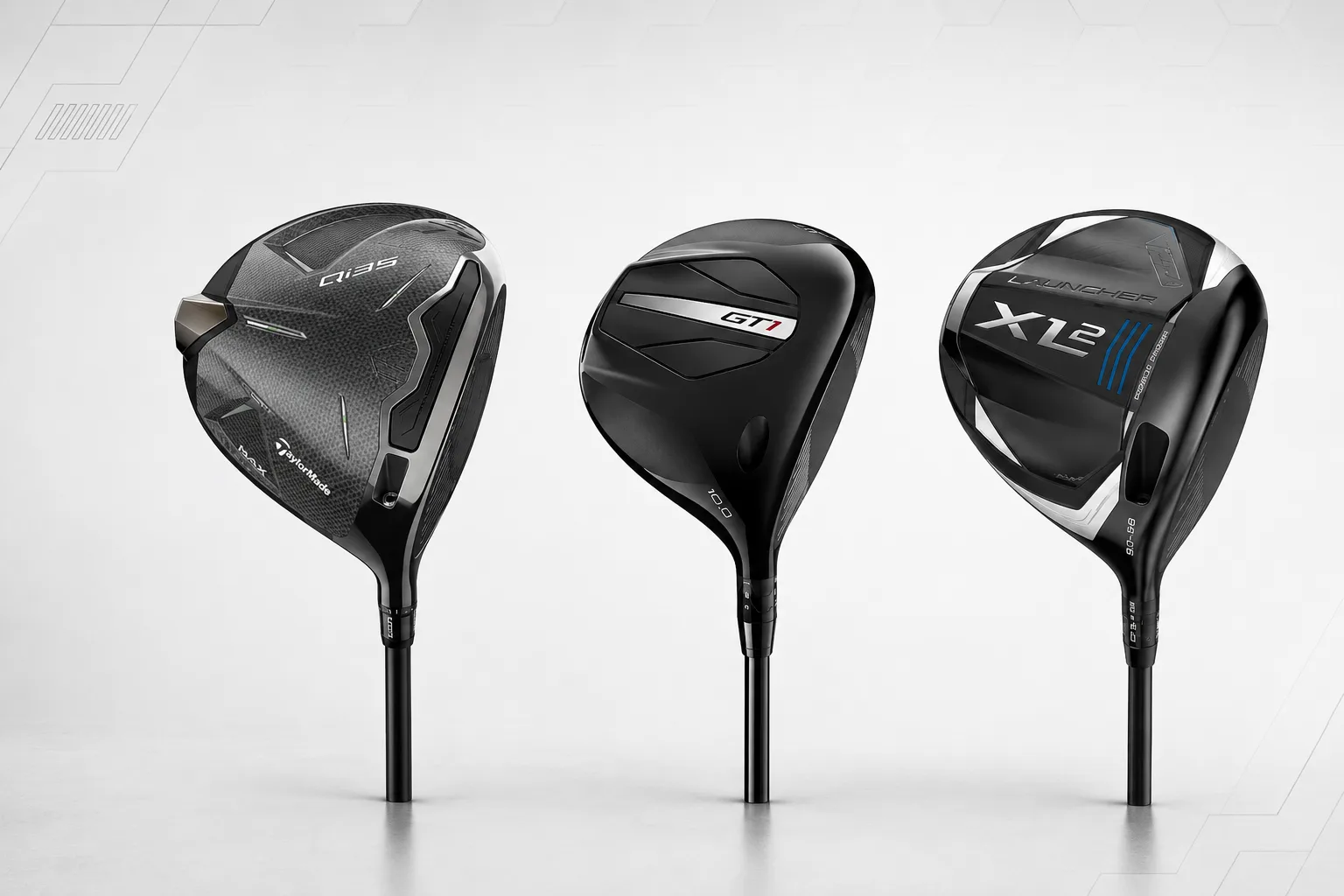
Three of the most forgiving drivers around, spread across the budget and each gettable for under £300 used or like-new, picked from the top of our CaddyIndex high-handicap scores. The price on each card is the cheapest pre-owned deal; tap through for every condition and retailer. Want the full list? The driver catalog has the lot.
CaddyIndex™
Higher-handicap score
The budget proof. Built for the mid-to-high handicapper who fights a slice, with serious forgiveness and a draw lean, and used it costs not much more than a good wedge. Spend the least, find the right rough less.
CaddyIndex™
Higher-handicap score
The smart buy, and our pick. A current flagship Max head, one of the most forgiving drivers made, used for around the price of a new mid-range one. Elite stability and an easy, high launch, right in the middle of the budget.
CaddyIndex™
Higher-handicap score
The premium-brand pick. Titleist's easy-launch, maximum-forgiveness driver, built for moderate swing speeds, at the top of a sensible budget. Buy it for the brand, the look and the high, soft, easy launch.
The short version: the TaylorMade Qi35 Max is where we'd send most higher handicappers, a current flagship Max for around the price of a new mid-range driver and the highest forgiveness score here. The Cleveland Launcher XL2 is the proof you barely need to spend, a properly forgiving, slice-fighting head for around a ton, and the Titleist GT1 is the premium-brand option at the top of the budget if you want the badge and an easy, high launch.
How we picked these
Every club in our CaddyIndex carries a per-handicap score, synthesised from third-party expert reviews and lab-test data and rated for each ability level. We ranked the drivers by the higher-handicap rating, then did the parts a raw ranking can't: we set aside the low-spin and tour heads that rate well overall but are built for a faster, more centred striker, capped the price at £300 because a higher handicapper has no reason to spend more, and spread the picks across the £100-to-£300 range so there's a genuine budget option rather than three near-identical flagships. Every pick lands under the cap on a used or like-new deal.
Buying a high-handicap driver: what to check
- Buy forgiveness, not speed. Pick the "Max" or high-MOI head over the low-spin one every time. The straight miss beats the occasional long one.
- Fight your slice at the shop. If you lose it right, set the head to draw or pick the draw-biased model. It's free yards.
- Buy last year's flagship, used. Forgiveness barely moves year to year, so a one-model-old Max bought pre-owned is most of the performance for a third of the price.
- Used is safe on a driver. They don't wear out. Check the face and crown for cracks or dents and that the headcover and adjustment tool are included, and a like-new head is premium forgiveness for value money.
- Get the loft up if you're unsure. Higher loft launches easier and curves less. Most higher handicappers are better at 10.5 degrees or more, not less.
Frequently asked questions
What is the most forgiving driver for a high handicapper?
Look for a high-MOI 'Max' head rather than a compact low-spin one. Models built for maximum forgiveness, like the TaylorMade Qi35 Max, Cleveland Launcher XL and Ping G430 Max, twist less on off-centre hits so your misses still fly straight and keep their distance. The exact 'best' shifts year to year, but a current or one-year-old high-MOI head from any of the big brands will be far more forgiving than a tour or low-spin model, and you can buy one used from around £100 to £300.
How much should a high handicapper spend on a driver?
Not much. The most forgiving drivers made sell used or like-new for £100 to £300, and they perform essentially identically to the £500-plus new versions. A genuinely forgiving older head starts around £100 used; last season's flagship Max is about £200; £300 buys a current or premium-brand head. Forgiveness has plateaued and a driver barely wears, so we'd cap it at £300 and spend the difference on lessons.
Is a used driver a good idea?
For most golfers, yes, and especially for a higher handicapper watching the budget. Drivers barely wear out, so a like-new or used head is mechanically as good as new at a big saving. Check the face and crown for cracks or dents and make sure the headcover and adjustment tool are included, and you're getting a near-new club for well under new-flagship money.
What loft should a high handicapper use on a driver?
Most higher handicappers are better off with more loft, not less, usually 10.5 degrees or higher. Extra loft launches the ball higher and reduces sidespin, so it both carries further on a stock strike and curves less when you miss. If you're between settings, go up; you can always tune it down once your strike improves.
Should a high handicapper use a draw-biased driver?
If you slice the ball, yes. A draw-biased head, or a draw setting on an adjustable one, shifts weight toward the heel and helps the face square up through impact, straightening the flight. For the many higher handicappers who lose it to the right, that is worth more real yards than any ball-speed gain.
What's the difference between a 'Max' and an 'LS' driver?
Max heads are built for maximum forgiveness: high MOI, easy high launch and often a draw bias, which suits higher handicappers. LS (low spin) and tour heads are built for fast, centred strikers chasing distance; they spin less and demand a better strike, so they punish the off-centre hits a higher handicapper makes. As a higher handicapper, you want the Max.
Do I need to buy the latest driver?
No, and for a higher handicapper it's the wrong way to spend. Forgiveness has largely plateaued, so last year's most-forgiving head performs almost identically to this year's for far less money, especially bought used. Save the difference for lessons or a fitting, which will lower your scores more than a new driver will.
Will a more forgiving driver actually lower my scores?
It won't fix a swing, but it genuinely helps. Keeping more drives in play, and losing less distance on the off-centre hits you'll always make, means more approach shots from the short grass and fewer blow-up holes. For a higher handicapper, that's where a driver earns its keep, not in a longest-drive contest.
Want to see what's in stock right now? The driver shop page has live UK prices across new and used. For more in this series, see our other buying guides.